
Custom homes built for Lead, SD.
iLevel Construction builds engineering-disciplined custom homes in Lead and across Lawrence County. Documented preconstruction, transparent cost-plus pricing, and a project manager on every jobsite multiple times each week.
Custom home building in Lead.
Lead is high country, elevation, weather, and views that change the engineering math. We build for the snow load, the wind exposure, and the slope on every Lead project. Most lots involve hillside retaining, slope-adjusted foundations, and a roof framing spec sized to 60+ psf ground snow load. The historic Homestake-mine character of the town carries through to architectural details that read as authentic to the place rather than transplanted.
Lead lots are nearly all hillside. Slope, exposure, and elevation drive every early design decision. Mining-era street grids mean some lots are narrow and steep with access challenges that shape the foundation and retaining strategy. Acreage parcels in the surrounding country are more conventional but face the same high-country engineering.
Lead custom builds skew toward retirement homes, second properties, and the occasional historic-area rebuild. The market is smaller than Spearfish but the average build is more deliberate, with owners who came to Lead specifically for the high-country setting rather than as a default Black Hills destination.
Lead is 35 minutes from Belle Fourche. Our PM is on Lead jobsites weekly at minimum, more often during framing and mechanical rough-in. Higher-elevation logistics get planned into the schedule, with winter delivery windows and snow-removal contingencies built into the construction plan from day one.
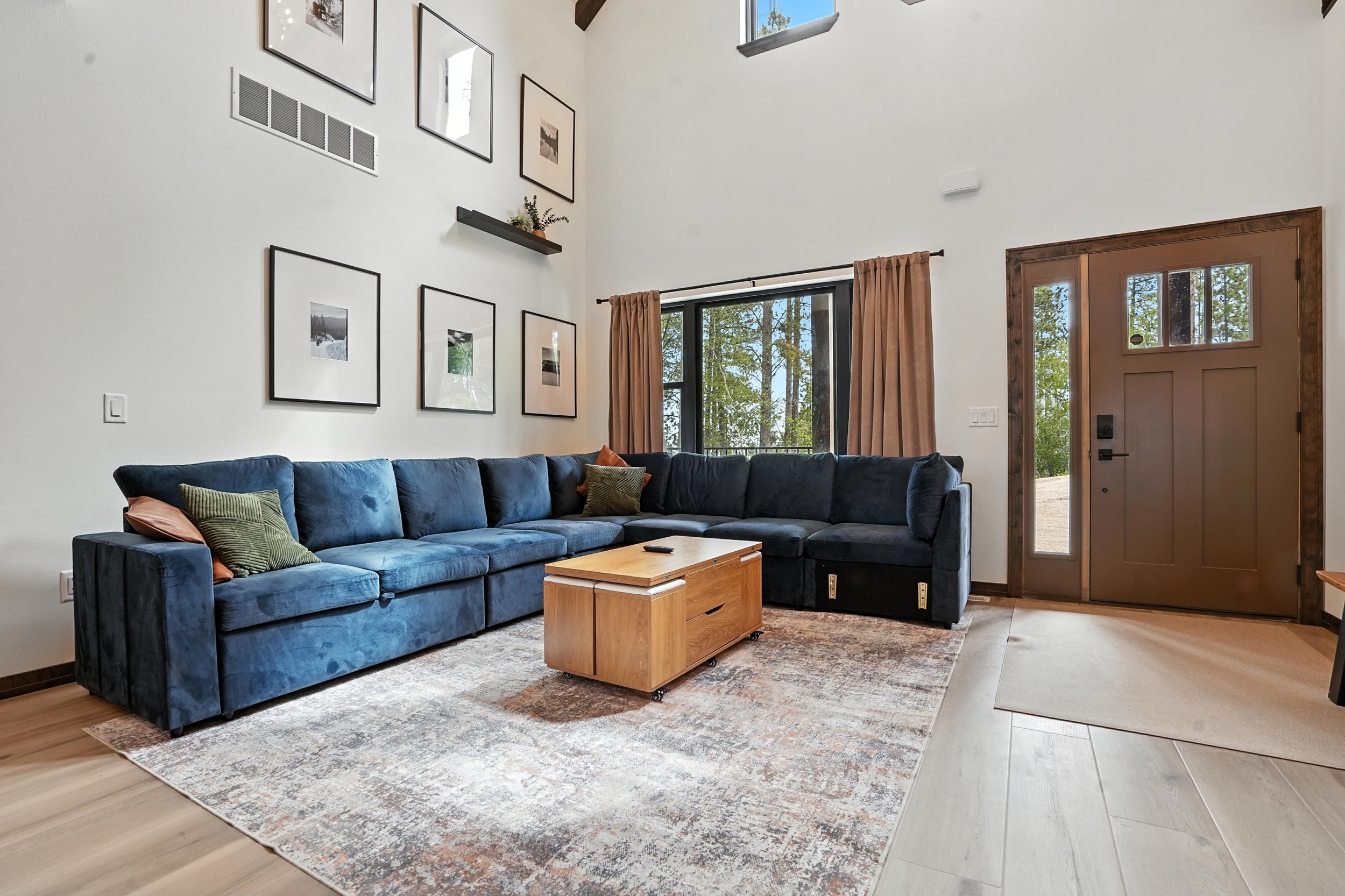
The Whiskey Bent Hideaway is a Lead build, and it is the project we point to when an out-of-state owner asks whether a remote high-country build can actually go smoothly. The owner, a realtor working from out of state, watched the whole thing come together through the portal and the weekly updates, and her takeaway was the communication and the attention to detail from afar. That is not a coincidence of that one job, it is the process working the way it is supposed to on a Lead lot where the owner cannot drop by. The elevation and the hillside make the engineering harder, but the documentation is what makes the distance survivable, and Lead is close enough to the office that the weekly PM presence is never in question.
Lead is the highest snow-load market we build, and the number drives real decisions the owner sees in the finished home. At 70-plus pounds of ground snow load, the roof framing gets sized up, the pitch gets steeper so the snow sheds instead of sitting, the snow-guard strategy protects the entries and the walkways, and the gutter detail is built to survive an ice dam rather than get torn off by one. None of that is generic regional boilerplate, it is engineered to the actual elevation and exposure of the specific lot. On a mining-era street where the grid puts a narrow, steep parcel between two neighbors, the retaining and the slope-adjusted foundation get solved on paper first so the crew is not improvising against a hillside the day the excavator arrives. That is the engineering discipline the high country demands, and it is exactly why owners come to Lead builders who have already done it.
Six things that shape every Lead build.
Lot character
Lead lots are nearly all hillside. Slope, exposure, and elevation drive every early design decision. Mining-era street grids mean some lots are narrow and steep with access challenges that shape the foundation and retaining strategy. Acreage parcels in the surrounding country are more conventional but face the same high-country engineering.
Build profile
Lead custom builds skew toward retirement homes, second properties, and the occasional historic-area rebuild. The market is smaller than Spearfish but the average build is more deliberate, with owners who came to Lead specifically for the high-country setting rather than as a default Black Hills destination.
Site work
Lead site work is heavy by default. Most lots need engineered retaining walls, snow-drift planning, drainage design, and slope-adjusted foundations. Spring access to some lots is later than at lower elevations. The site-work scope gets locked in during preconstruction so the cost reflects the actual lot, not a generic high-country figure.
Access & logistics
Lead is 35 minutes from Belle Fourche. Our PM is on Lead jobsites weekly at minimum, more often during framing and mechanical rough-in. Higher-elevation logistics get planned into the schedule, with winter delivery windows and snow-removal contingencies built into the construction plan from day one.
Permitting
Spearfish, Lead, and Deadwood each have municipal building departments with their own review timelines and inspection sequences. Rural Lawrence County permits through the county Planning office. We handle every permit submittal end-to-end so the build schedule isn’t held up by procedural back-and-forth between agencies.
Seasonality
Lawrence County has a real winter. Foundation pours generally pause December through February at higher elevations; framing and roof-in are scheduled to land before the first heavy snow. A complete custom build in Lawrence typically runs 14-18 months, with the construction calendar planned around the weather rather than fighting it.
One service, done completely.
 A 01
Luxury, turnkey homes built in Lead. Design, preconstruction, and construction held by one accountable team from foundation to final walkthrough.
View service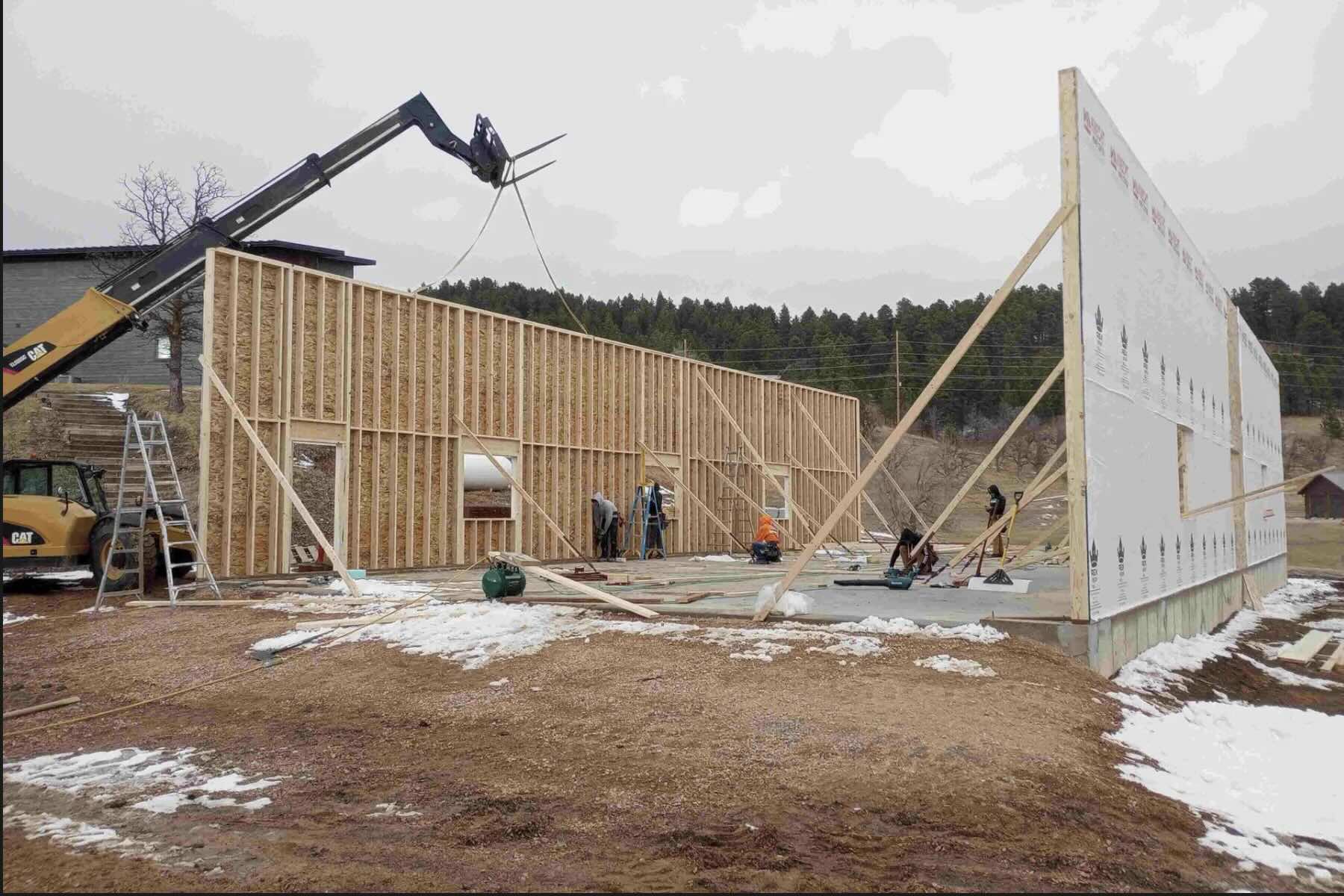 A 02
Six documented phases that settle the vision, budget, and details before a board is cut. Critical for Lead sites where the right answer needs to be obvious before the first dig.
View process A 03
Six systems carry every iLevel project, including 3D Vista scans of the framing and mechanical rough-ins. Especially valuable for owners building in Lead from afar.
View technologyYou have far exceeded every builder I have worked with. Your attention to detail, your honesty, and your communication made this build smooth, even from afar.
What Lead owners ask first.
What’s the snow load for a Lead custom home?
Most Lead builds engineer to 70+ psf ground snow load. The roof framing, snow-guard strategy, and gutter detail all get sized to actual elevation and exposure rather than a generic regional spec. Steeper roof pitches and continuous ridge ventilation are common features.
How does iLevel handle winter on a Lead build?
Foundation pours run May through October. Framing and roof-in are sequenced to land before December. Once the structure is enclosed, interior trades work through winter on schedule. We plan the calendar around the weather rather than fighting it.
Can you build on a steep Lead hillside lot?
Yes. Steep Lead lots are common in our work. Engineered retaining, slope-adjusted foundations, geotechnical review where the soils warrant it, and careful access road design are all part of standard preconstruction scope for these lots.
How should an owner think about heating and the envelope up at this elevation?
As one system, decided early. Lead sits high enough that insulation levels, air sealing, glazing specification, and mechanical sizing have to be settled together in design rather than picked off a shelf at rough-in. Several people here hold engineering degrees, and Jason came out of mechanical engineering, so those numbers get worked rather than guessed. A tight envelope also keeps the equipment smaller and quieter.
What should we check before buying a Lead lot?
Access first, in both seasons. A drive that is fine in July can be impassable in February, and a lot platted in the mining era may be narrower or steeper than the listing suggests. After that: where utilities actually stop, whether the ground has been disturbed by past workings, and where snow will shed and pile. We will walk a parcel with you before you close.
From Belle Fourche, building across Lawrence County.
iLevel runs out of Belle Fourche, with builds in Lead and throughout Lawrence County. Most clients build from afar; the process is built around that.
Lawrence County overviewBuild your custom home in Lead.
Tell us about your land, your family, and the home you have in mind. Jason or someone on the team will be in touch within one business day.
