What an Engineering Mindset Brings to a Custom Home Build
Founder background, why a mechanical-engineering view changes how custom homes get scoped, and what owners feel during a build that runs this way.
Why we call ourselves iLevel
The founder of iLevel is a mechanical engineer. The product manager is a mechanical engineer. Several team members have mechanical-engineering backgrounds. The name on the door is a deliberate choice, not a pun on a tool: precision, level surfaces, and the discipline of measurable work.
That background changes the build in ways that are easy to describe and easy to feel during the project. A mechanical engineer asks where the load goes, where the tolerance lives, and what happens at the joints. Applied to a custom home, those questions become the difference between a house that lasts a generation and one that looks great for the photo shoot and starts giving up some of its detail after a few winters.
Jason came to this the long way. He grew up watching his father run a small business, went to college, took bigger and bigger jobs, and kept seeing the same custom-home process go sideways for the same reasons. The custom-home market is full of companies that can technically put up a two-million-dollar house. Most of them should not, because they run the job on instinct and hope instead of on a plan they can point to. iLevel exists because owners kept getting frustrated with their builder and worn down by the pains of the process, and the founder decided the fix was engineering discipline, not more marketing. The team got gathered around that idea, builders and designers and engineers, to build the systems that turn a stressful process into a documented one.
Where the mindset shows up in the build
During preconstruction, an engineering mindset shows up as questions about the lot before questions about the floor plan. What is the snow load? What is the wind exposure? Where does the water actually run when the snow melts? What is the slope, and where does the foundation transfer load to bedrock instead of fill? Those questions get answered, and the floor plan reacts to them, not the other way around.
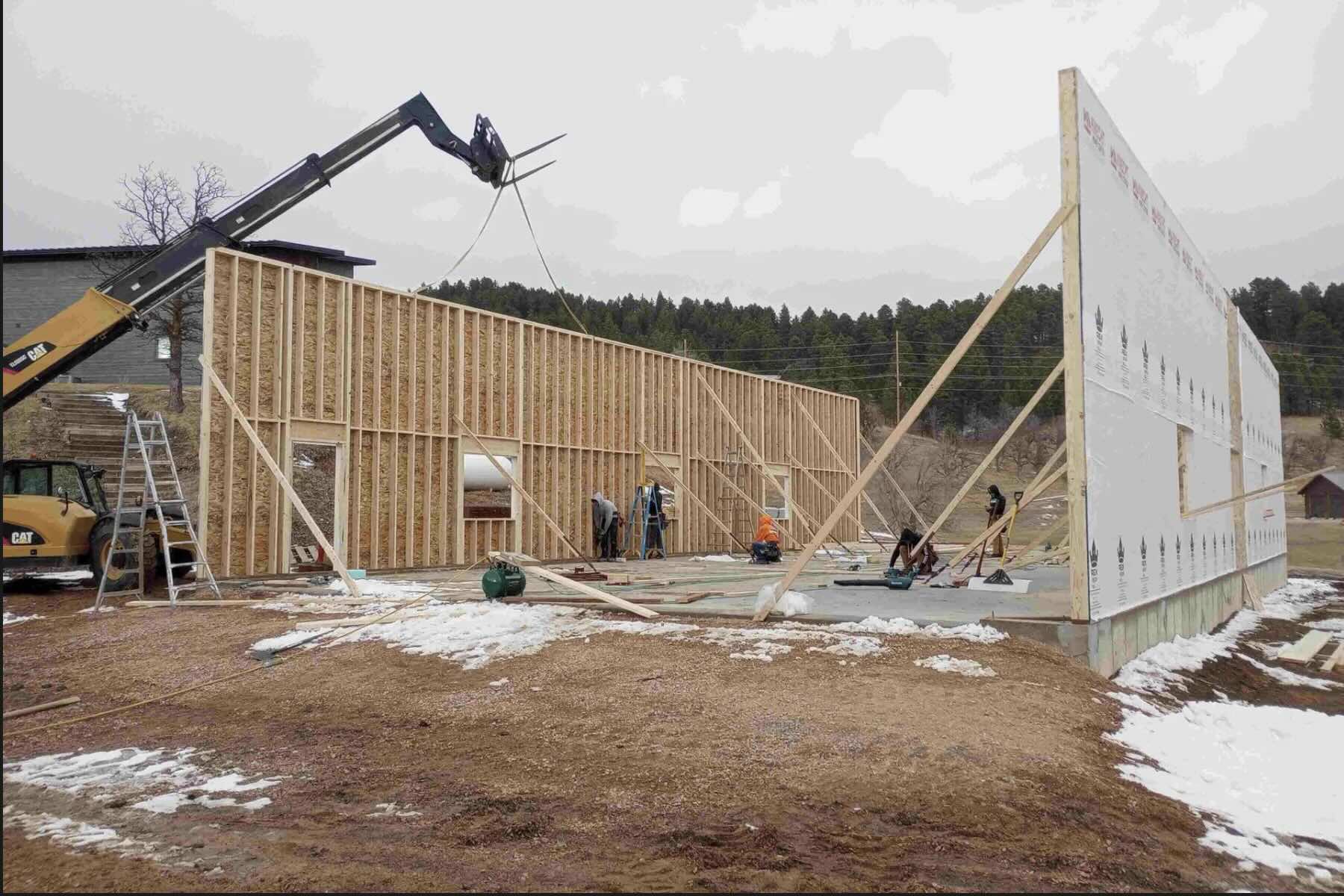
During framing, the mindset shows up as roof systems sized to the actual lot rather than the regional generic. A custom home in Lead designed to 40 psf ground snow load when the lot calls for 70 psf is going to start writing checks the owner does not want to cash in twenty years. We engineer to the lot, and we document the engineering so the math is on file long after construction is done.
During finish work, the mindset shows up as flatness checks on every cabinet wall, level checks on every flooring substrate, and the kind of trim detailing that only stays clean over decades if the substrate underneath it is honest. The drywall industry has a tolerance spec; we hold to a tighter one. That detail does not show up in a photograph but it shows up in how the house ages.
How engineering discipline interacts with design
A common worry from owners is that engineering discipline will produce a house that feels rigid, predictable, or industrial. The opposite has been our experience. Design choices that survive engineering review are the ones that look right in the finished house, age well, and feel intentional rather than imposed.
“It is about being able to say yes to the right thing in the right way, and being able to back the yes with the math.”
A cantilevered roofline that an architect drew at the napkin stage becomes a question about the load path. The engineering review confirms how far the cantilever can go before the math changes from “elegant” to “expensive” or from “expensive” to “no.” The design conversation gets sharper because everyone is working from a real number rather than a hope.
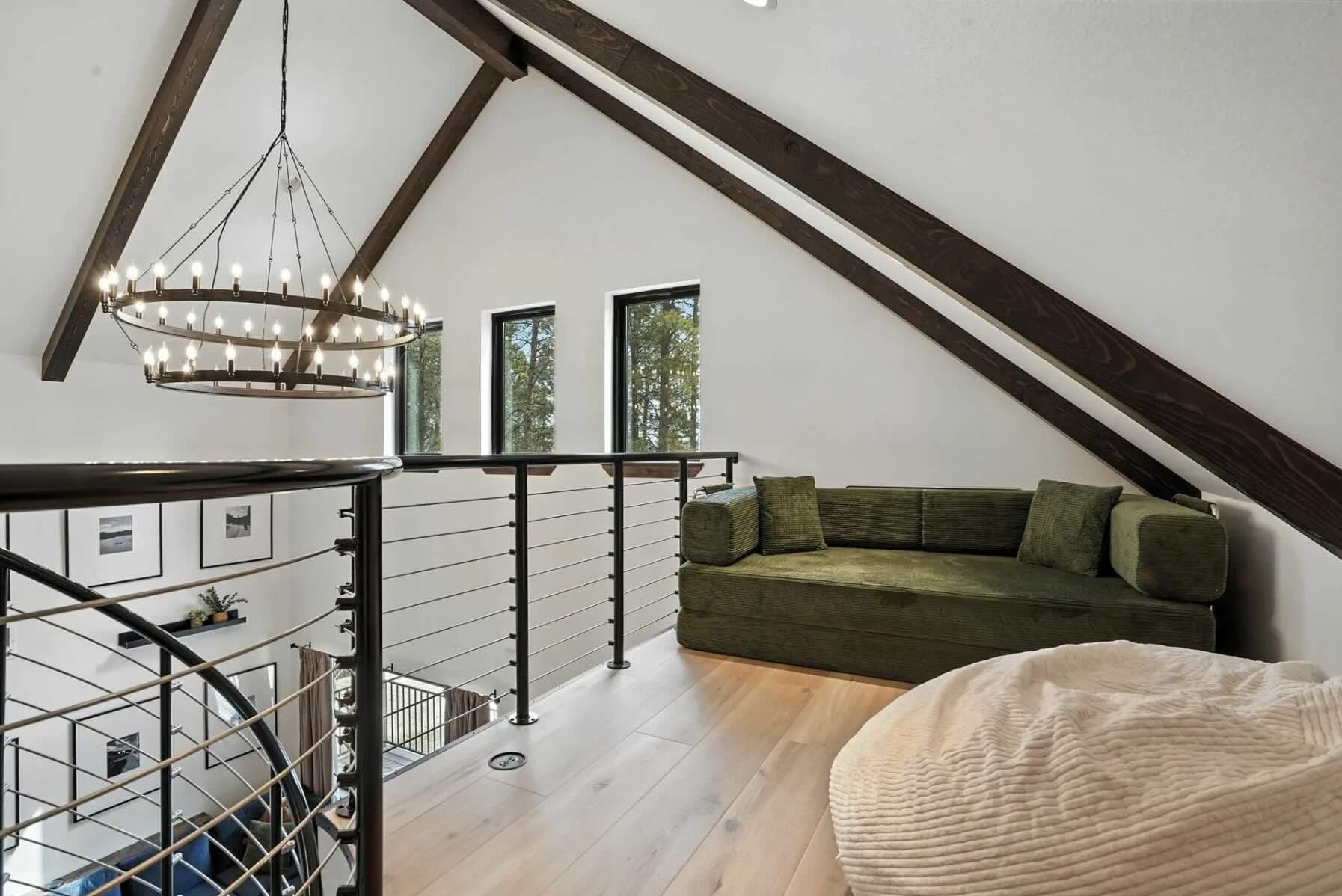
The same is true of glazing. The same is true of open-floor spans. The same is true of cathedral ceilings and exposed beams and the structural moves that make a custom home read as custom rather than catalog. An engineering mindset is not about saying no. It is about being able to say yes to the right thing in the right way, and being able to back the yes with the math.
What it feels like, project to project
Owners who have built with us tell us the same thing in slightly different words. The build feels like it is running on numbers rather than vibes. Decisions get made and recorded. Trade-offs get documented. The PM can answer a question on the spot because the information is in Ressio, not in someone’s head, not in an email thread from four weeks ago.
That is what an engineering mindset feels like when you live inside a build for 14 to 18 months. The house gets built once. We want it built right, with the math behind it, the documentation around it, and the discipline that lets the owner walk through the finished home knowing exactly what is behind every wall.
We build your house twice
The way we describe it to owners is that we build the house twice. First we build it on paper, then we build it in real life. The paper build is where the engineering mindset does most of its work, and it is the reason our jobsites stay calm while other builders are firefighting. By the time a board gets cut, the snow load is settled, the wind exposure is settled, the water is routed, the load paths are drawn, and every long-lead selection is chosen and dated. Preconstruction is not paperwork we tolerate on the way to the fun part. It is the part that decides whether the fun part goes well.
That approach has a cost, and we are honest about it. A documented, engineered preconstruction takes longer up front than a builder who wants to break ground next month and figure out the details as they come. But the details always come, and the only question is whether they arrive as a line on a drawing or as a surprise on an invoice. We would rather solve them on paper, where a change costs an eraser, than in the field, where it costs a change order and a schedule slip. Owners who have been through a build the other way understand the trade instantly. The ones who have not usually understand it the first time a hard question gets answered on the spot instead of becoming a two-week email thread.
None of this is about being the fastest builder in the Black Hills or the cheapest. It is about being the one whose house does what it was supposed to do twenty years after the keys change hands. The math is on file, the framing is scanned before the drywall closes it in, and the discipline that produced it is the same discipline the owner felt every week of the build. That is what the name means.
What owners ask about how we think.
What does Jason’s engineering background actually mean in practice?
He holds a bachelor’s degree in mechanical engineering, and his career since has run across both engineering and construction, more than twenty-five years of the two combined. Several people on the team hold engineering degrees as well. What it means day to day is that questions get answered with a calculation instead of an opinion.
Do you do the structural engineering yourselves?
Structural drawings are stamped by a licensed structural engineer, as the code requires. What our own background changes is the quality of the conversation with that engineer: we arrive with the loads identified, the spans measured, and the questions framed, so the review is a check rather than a discovery process. That shortens the loop considerably.
Will this approach shoot down the design ideas I care about?
Rarely. Most ideas survive review in a modified form, and the modification is usually invisible in the finished room. A cantilever gets shortened by a foot. A beam gets deeper and gets wrapped. The idea you fell in love with is almost never the thing that fails review. The unexamined version of it sometimes is.
Does all this analysis make the house cost more?
It moves cost from the field to the drawings, which is the cheaper place for it to sit. Solving a load path on paper costs drafting time. Solving it after the framing is up costs material, labor, a change order, and schedule. Where analysis does add real cost is when it reveals that your lot genuinely needs more structure than a generic assumption would have supplied.
How would I even tell the difference twenty years from now?
By what has not happened. Doors that still latch. Tile with no cracked grout lines at the transitions. Trim joints that have not opened up. A roof that has not developed a sag anybody argues about. Nobody photographs the absence of problems, which is why this is hard to sell and easy to feel once you have lived in both kinds of house.
Building in the Black Hills?
Curious how the engineering review process changes a custom build? We are happy to walk through what a preconstruction review actually looks like, on your lot.