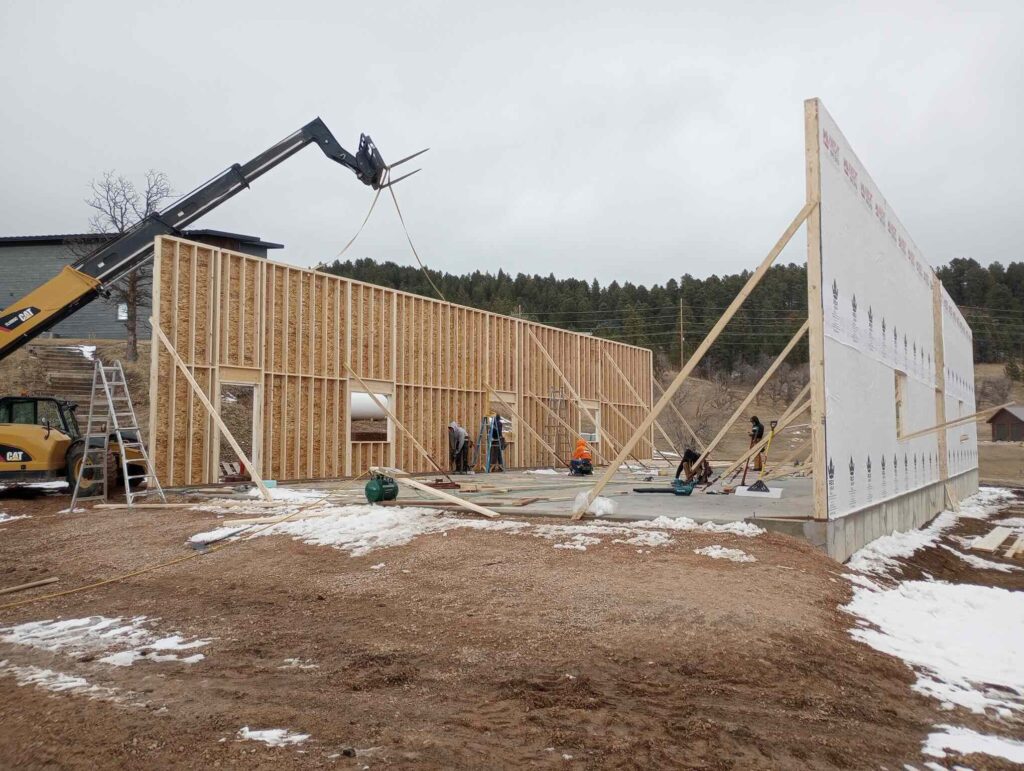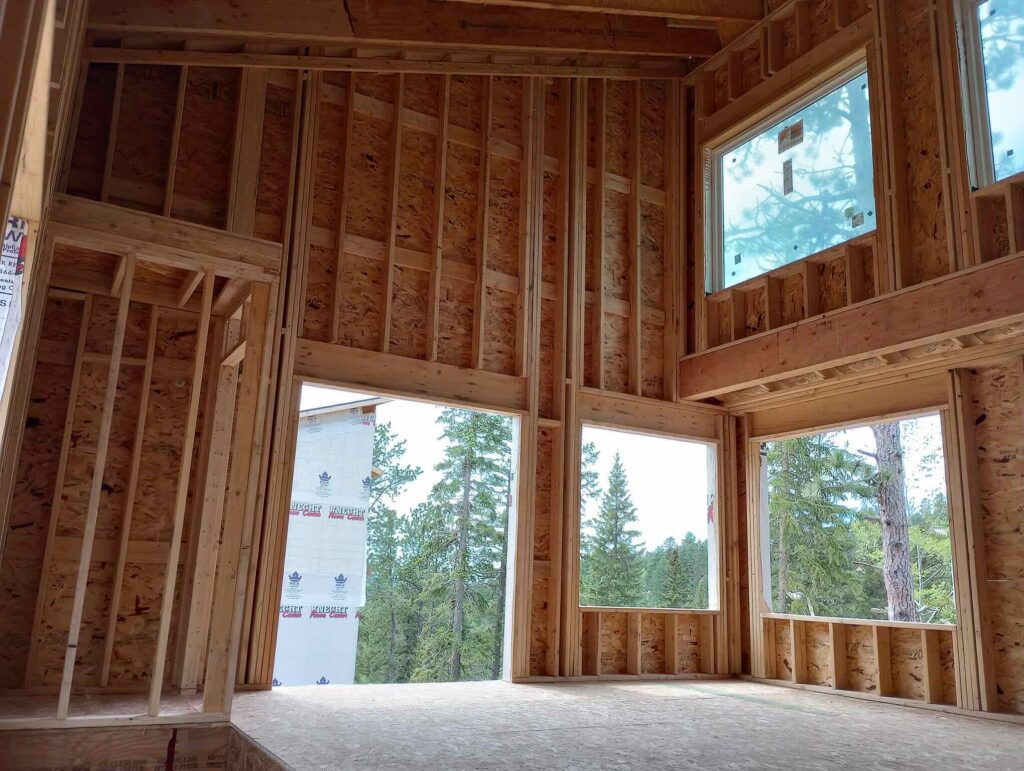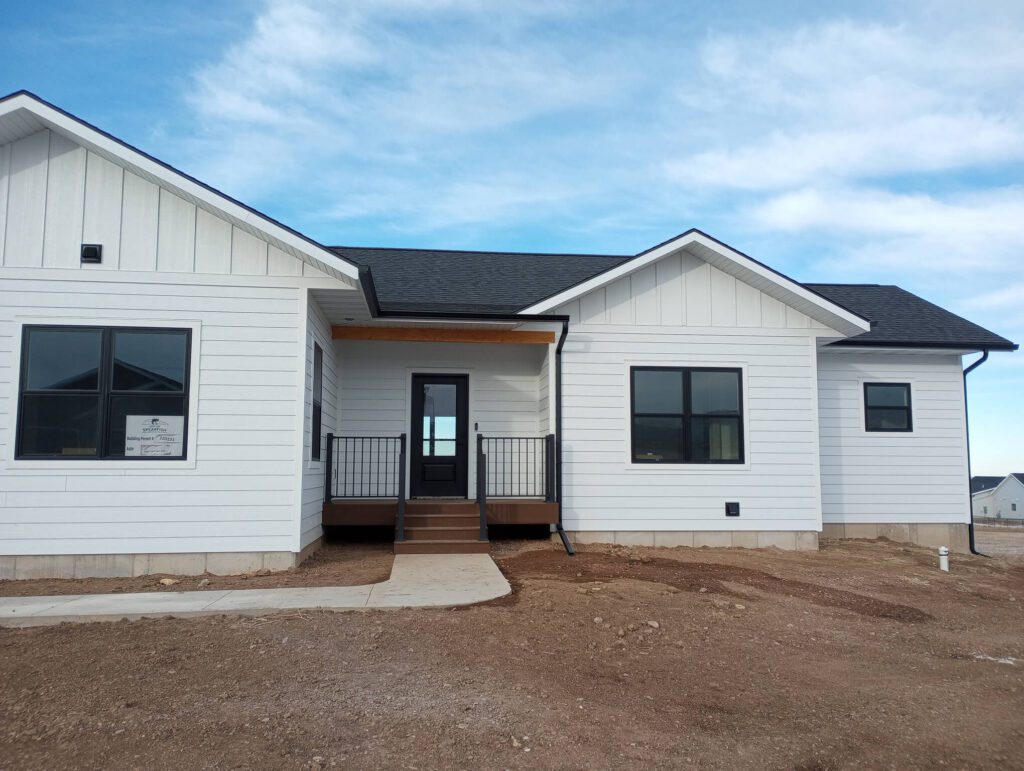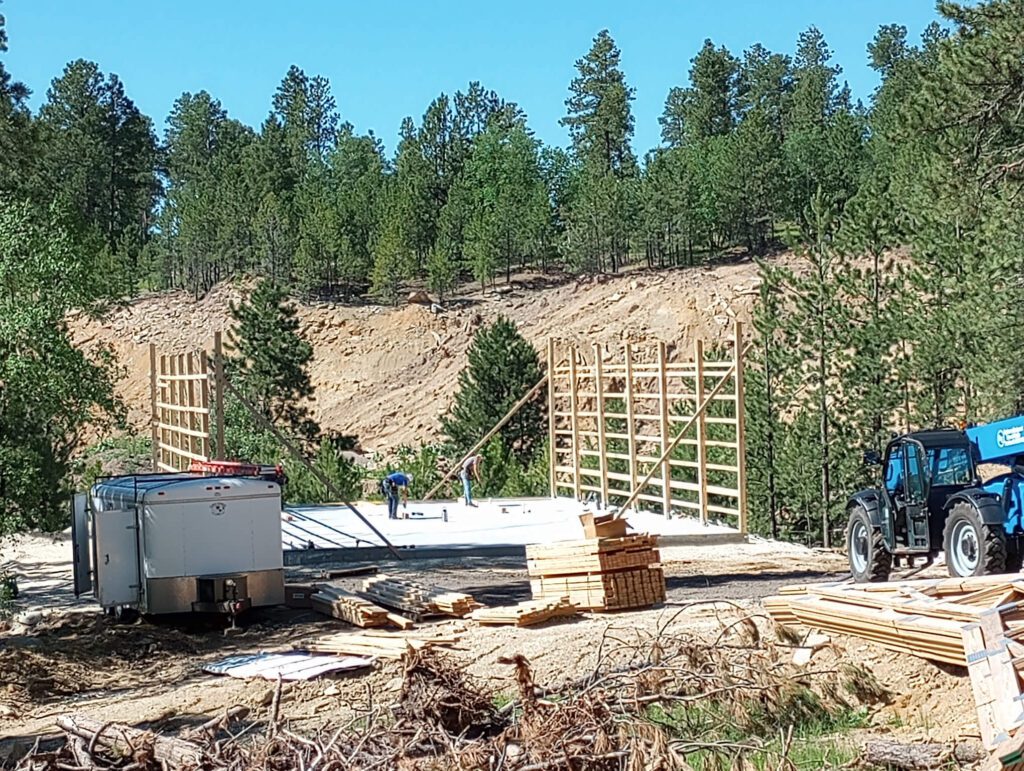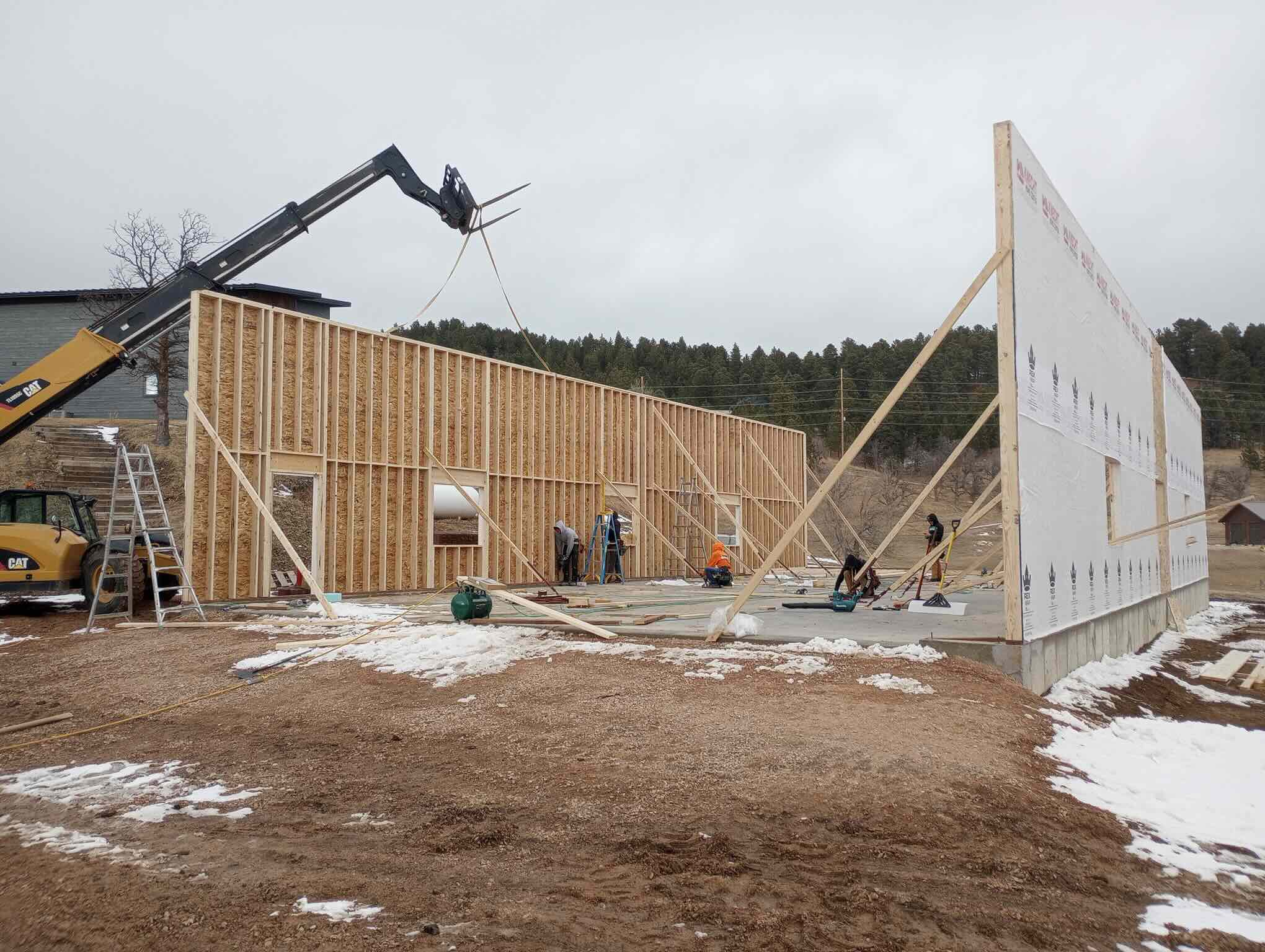
It is one of the most common conversations we have with past clients and new prospects alike. You have land. You have a structure, or you are looking at one. And you are trying to figure out whether to build from scratch or whether the smarter move is to expand and improve what is already there.
There is no universal answer. But there is a clear framework for thinking through it, and understanding the differences between a new build and a significant addition or remodel will help you ask better questions before you commit to either path.
They Are More Similar Than Most People Think
The first thing worth understanding is that a large-scale addition or remodel is not a simpler version of a new build. For a project involving significant new square footage, demo work, and structural integration with an existing structure, the planning, coordination, and management requirements are comparable to, and in some ways more demanding than, building from scratch.
When you build new, you start with a clean slate. The foundation goes where you put it. The framing goes up in sequence. The mechanical, electrical, and plumbing systems are designed from scratch and installed before the walls close. There are unknowns, but they are mostly site-related and manageable through solid pre-construction work.
When you add to or remodel an existing structure, you inherit everything that was built before you arrived. You do not know what is inside those walls until you open them. The framing may not meet current code. The electrical panel may be undersized for the new load. The existing foundation may need reinforcement to carry the addition. The roofline integration may require structural engineering that was not anticipated. None of this is a reason to avoid the work. It is a reason to plan for it honestly before the project starts.
A significant addition is not a shortcut to the result of a new build. It is a different kind of project with its own complexity and its own set of unknowns.
When a New Build Is the Right Answer
Building new makes the most sense when the existing structure has significant limitations that an addition cannot fully resolve, when the land allows for the right placement of a new home, or when the vision for the finished product is difficult to achieve by working around an existing building.
New construction gives you complete control over orientation, layout, structural systems, energy performance, and material specifications from the ground up. Every system in the home is new, coordinated, and designed to work together. There are no surprises behind the walls because there are no walls yet. Pre-construction planning can account for the full project with a high degree of accuracy because the variables are known.
For clients building on raw land in the Black Hills, new construction is almost always the path. The opportunity to place the home intentionally on the property, capture the views, manage the site drainage, and design the floor plan around how you actually live is one that existing structures cannot offer.
New build tends to make sense when:
- The existing structure has significant deferred maintenance, outdated systems, or layout limitations that cannot be resolved through addition alone
- The land allows for optimal siting and the existing structure compromises that opportunity
- The finished vision requires a floor plan or structural system that cannot be efficiently integrated with what exists
- The total cost of bringing an existing structure to the desired standard approaches or exceeds the cost of building new
- Long-term maintenance and systems performance are a priority
When an Addition or Remodel Is the Right Answer
A major addition makes sense when the existing structure has strong bones, a desirable location on the property, systems that are worth preserving, and a layout that can be meaningfully improved through new square footage and selective remodel work.
For clients who have purchased an established property and want to significantly expand its livable space, or for past clients who have built a home and want to add to it as their needs evolve, a well-planned addition can deliver most of the result of a new build at a lower total cost, provided the existing structure genuinely supports the expansion.
The key word is genuinely. A pre-construction phase is just as important on a large addition as it is on a new build, and in some ways more so. The existing structure needs to be assessed thoroughly before pricing is confirmed. Demo scope needs to be defined. Integration points between old and new need to be engineered. What is found inside the walls during demolition needs to be anticipated with honest allowances rather than optimistic estimates.
An addition or remodel tends to make sense when:
- The existing structure is in good condition with sound framing, foundations, and major systems
- The location of the existing structure on the property is ideal and worth preserving
- The addition can be integrated cleanly without compromising the structural or aesthetic integrity of the existing building
- The total project cost is meaningfully lower than building new to achieve a comparable result
- The client has a strong attachment to the existing structure or its history on the property
The Unknowns Are Real, and They Have to Be Budgeted Honestly
This is the part of the addition conversation that separates builders who have done this work from those who have not. The unknowns in a remodel and addition project are different from the unknowns in new construction, and they require a different approach to budgeting.
In new construction, the primary unknowns are site-related: rock, utilities, soil conditions, access. These can largely be identified and allowanced during pre-construction before the contract is signed.
In addition and remodel work, the primary unknowns are structural and systems-related: what is inside the existing walls, whether the existing framing meets current code, what condition the existing mechanical and electrical systems are in, and what it will take to tie the new work into the old cleanly. Some of these can be investigated before demolition begins. Others will not be known until the walls are open.
A builder who gives you a tight fixed number on a significant remodel scope before demolition is either padding that number heavily to protect their margin or is planning to come back to you with change orders after the fact. Neither outcome serves you well. The honest approach is to build realistic allowances for unforeseen conditions into the budget from the start, document the change order process clearly, and communicate transparently as the project unfolds.
This is exactly how iLevel approaches mixed new construction and remodel scope. Pre-construction is required on every project we take on, regardless of whether it is new ground-up construction or an expansion of an existing structure. The planning work is where the surprises get managed, not after the fact on the job site.
The Cost Structure Is Different
One more practical distinction worth understanding: the contractor fee structure on a significant remodel or addition project is typically higher than on pure new construction. This reflects the additional complexity, the coordination required to work around an existing structure, the unpredictability of demo scope, and the higher risk profile that comes with opening walls in a building you did not build.
At iLevel, new custom home construction is priced on a cost-plus basis with a 10% builder fee applied to actual project costs. Projects that include significant demolition and remodel scope carry a higher builder fee to reflect the additional management and risk that work requires. This is disclosed clearly in the proposal before any agreement is signed. There are no surprises in the billing structure any more than there are surprises in the construction process.
The Right Answer Starts with the Right Conversation
If you are sitting on a property in the Black Hills and trying to decide between building new and expanding what you have, the most useful thing you can do is have an honest conversation with a builder who has done both and will tell you the truth about which path actually serves your goals.
We have built new homes from raw land and we have managed large-scale additions that doubled the square footage of existing structures. The projects are different. The planning process is different. The budget structure is different. But the standard we hold ourselves to is the same on both: build it on paper first, confirm the numbers before construction starts, and communicate clearly when something changes.
If you are curious about what makes sense for your specific property and vision, reach out. That conversation is free and it will tell you more than any blog post can.
Talk to Jason directly.
605-638-3040 | sales@ilevelconstructionllc.com | ilevelconstructionllc.com